Estimated reading time: 5 minutes
Table of contents
When temperatures start falling, don’t let your equipment fall into a deep sleep! Cold mornings can strain batteries, moisture in fuel systems can cause problems, and neglected maintenance issues often become major breakdowns when equipment is needed most.
We’ve assembled this list of maintenance checks to ensure your machine A) runs better after winter and B) runs through the winter when needed.
The top three things we recommend are:
1. Fluid Checks & Substitutions
2. Filter Replacements
3. Test, Clean and Maintain your Battery
Start with Fluid Checks
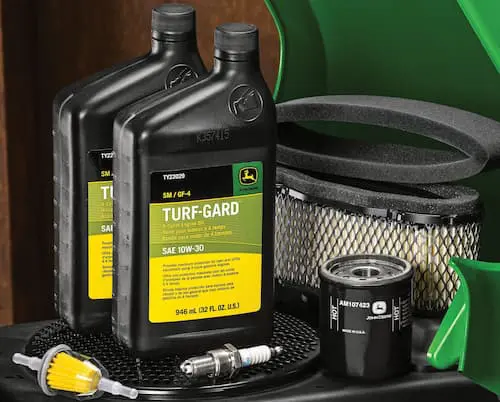
Engine Oil and Filters – a must do!
If your machine is approaching its engine oil service interval, consider completing the service before winter arrives.
Fresh oil helps ensure proper lubrication during cold starts, while a new filter helps maintain oil quality throughout the season. Cold temperatures naturally make oil thicker, which means your engine has to work harder during startups.
Coolant Protection Matters
One of the most important winter checks is verifying your coolant system is ready for freezing temperatures.
Inspect coolant levels and look at the condition of the antifreeze. Coolant that appears rusty, cloudy, or contaminated could indicate issues that should be addressed before winter. It’s also important to test the freeze point to ensure the coolant provides adequate protection for your region.
Don’t forget to verify that any engine coolant heaters or block heaters are working correctly. These systems can significantly improve cold weather starting and reduce engine wear.
Prevent Fuel Problems Before They Start
Drain Water from Fuel Filters
Water contamination can quickly become a cold-weather headache.
Drain the water separator or fuel filter bowl before temperatures drop and continue checking it regularly throughout the winter months. If water freezes in the fuel system, it can restrict fuel flow and prevent equipment from operating properly.
Replace Aging Fuel Filters
A partially restricted fuel filter becomes even more problematic during cold weather.
If it has been a while since your filter was replaced, winter is an excellent time to install a new one and help ensure reliable fuel delivery.
Use Anti-Gel Fuel Additives – the cold weather hack!
Diesel fuel can begin to gel in cold temperatures, making it difficult for fuel to flow through filters and fuel lines.
Using a quality anti-gel additive before extreme cold arrives can help keep fuel flowing and reduce the risk of weather-related fuel issues.
Keep Batteries Ready for Cold Mornings
Cold weather is one of the biggest challenges for equipment batteries.
Before winter arrives:
- Test the battery’s condition
- Check charging system performance
- Clean battery terminals
- Remove corrosion from connections
- Ensure cables are tight and secure
A battery that performs adequately in warm weather may struggle once temperatures drop significantly. A battery maintainer is a worthy investment to avoid replacing your batteries at a higher frequency.
Inspect Tires and Undercarriage Component
Maintain Proper Tire Pressure
Temperature changes can affect tire pressure.
Check all tire-equipped machines and adjust pressures to manufacturer specifications. Proper inflation helps maximize traction, improve ride quality, and reduce uneven tire wear.
Monitor Track Condition and Tension
For tracked equipment, winter maintenance is especially important.
Inspect tracks for excessive wear and adjust tension according to manufacturer specifications. Improperly tensioned tracks can increase wear and negatively impact machine performance.
Another simple but important habit is removing mud, snow, and debris from track systems at the end of each workday. Material left in the undercarriage can freeze overnight and create problems the next morning.
Prepare the Cab for Shorter, Colder Days
Winter often means longer hours in darkness and more challenging visibility conditions. Replacing cab air filters helps maintain airflow and keep heating systems operating efficiently throughout the season. Additionally, you will want to verify heater and defrost functions several times over the course of winer, to ensure comfort and visibility are not impacted by freezing conditions.
Check Wiper Blades
A worn wiper blade may seem insignificant until you’re working through freezing rain, sleet, or road spray.
Replace damaged or streaking blades and confirm washers operate properly.
Test Lights and Warning Indicators
Shorter daylight hours mean lighting systems become more important than ever.
Verify that:
- Headlights are working
- Work lights operate correctly
- Turn signals function properly
- Warning lights illuminate as intended
Good visibility is critical for both productivity and jobsite safety.
Don’t Forget Daily Winter Housekeeping
Some of the simplest winter maintenance habits can prevent major frustrations.
At the end of each day:
- Remove debris from the cab floor and footwell areas
- Clean around pedals and foot controls
- Clear mud, snow, and debris from tracks and undercarriages
- Drain accumulated water from fuel filter bowls when needed
Taking a few extra minutes before leaving the jobsite can help prevent frozen components and difficult startups the next morning.
Use the Right Grease for Winter Conditions – another cold weather hack!
Not all greases perform equally in cold weather.
Using a low-temperature grease designed for winter operation can help ensure critical pivot points and components continue receiving proper lubrication when temperatures drop.
Consult your operator’s manual or your local TriGreen service team for recommendations specific to your machine.
Schedule Winter Maintenance Before Problems Begin
The best time to prepare equipment for winter is before the first cold snap arrives.
A comprehensive inspection can identify worn batteries, aging filters, coolant concerns, and other issues that might become costly downtime once winter conditions arrive.
Winter is an ideal time to schedule preventative maintenance and complete service work before spring workloads return.
TriGreen offers a winter service program yearly designed to help customers inspect, maintain, and prepare their equipment for dependable performance throughout the year. Contact your local TriGreen location to learn about current winter service specials and available maintenance packages.